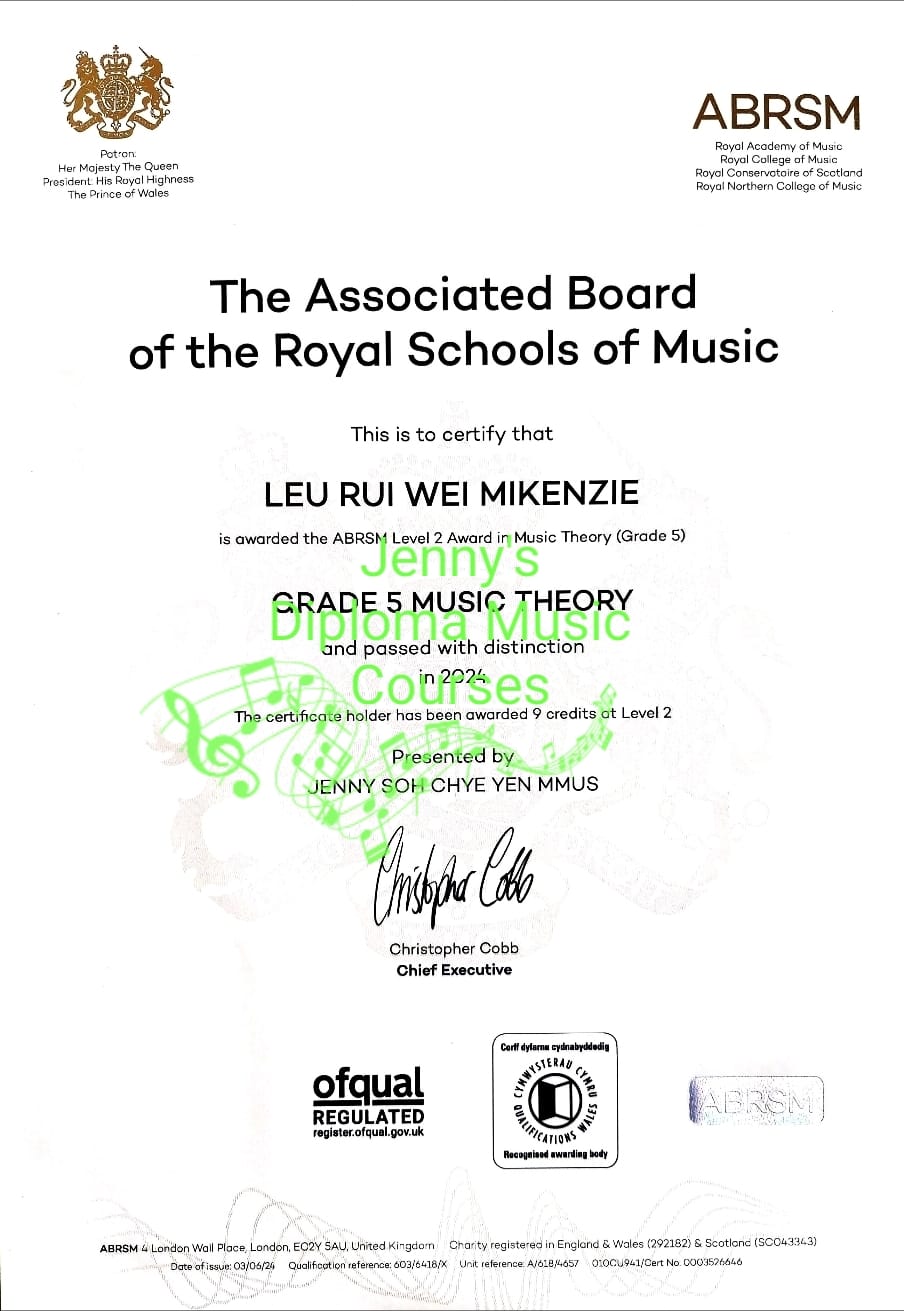
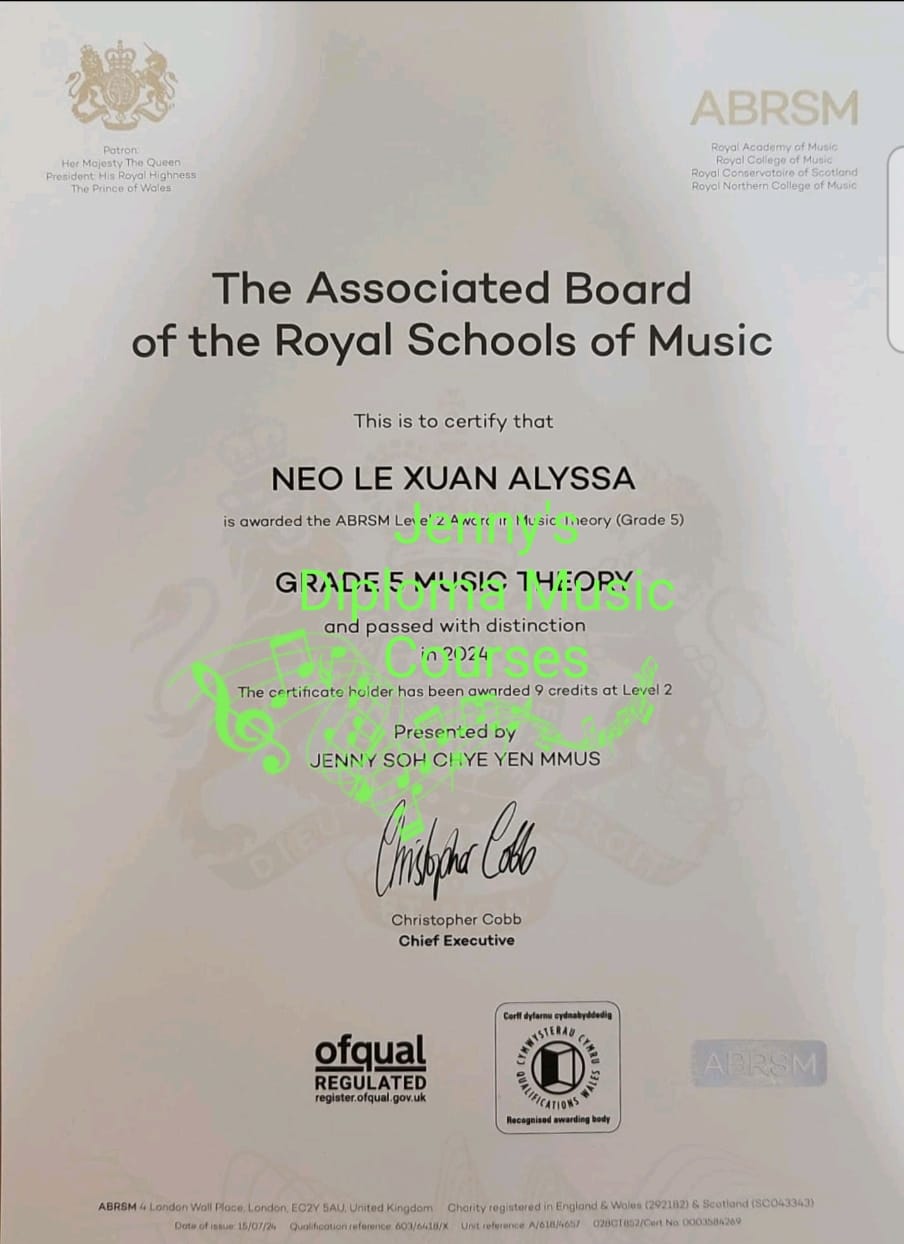
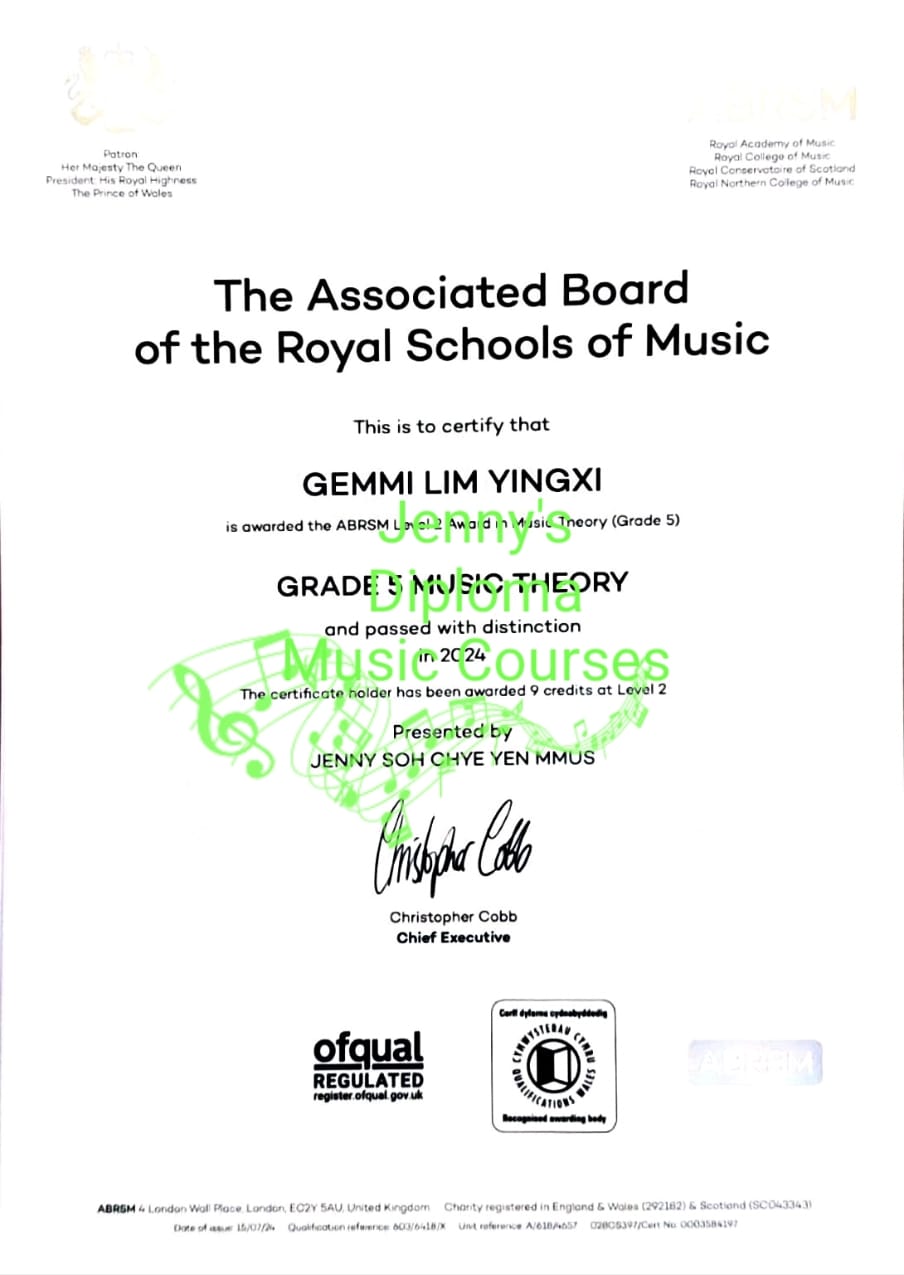
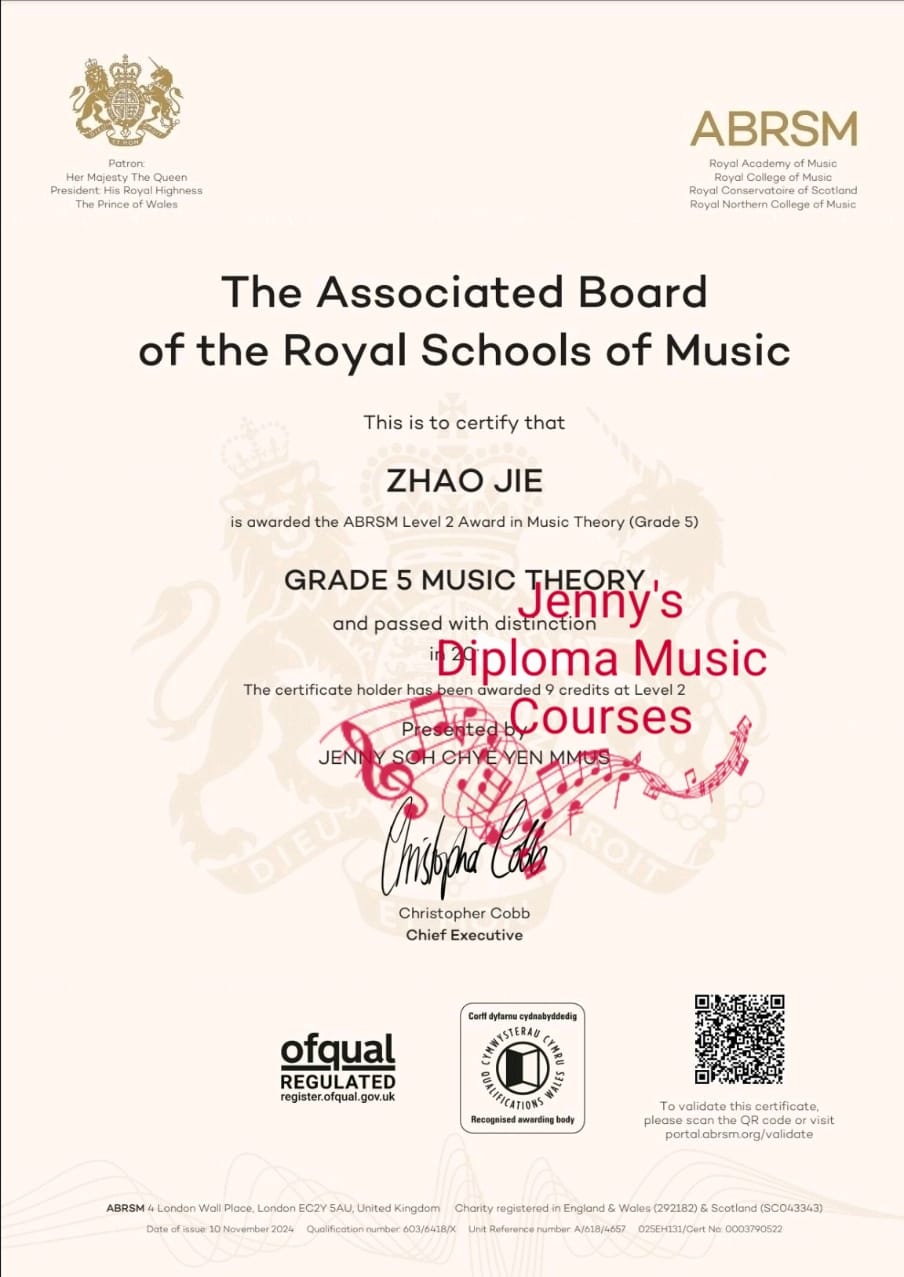
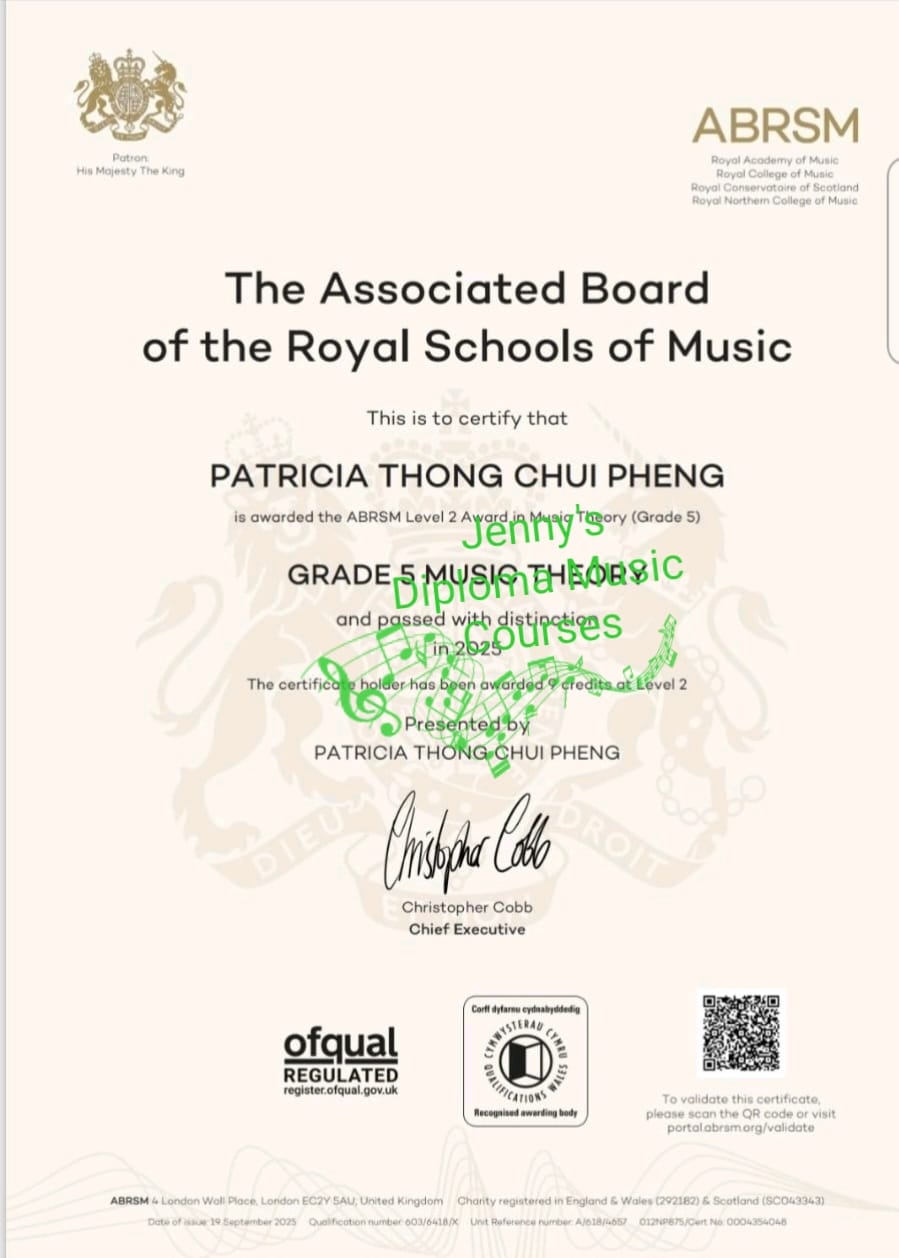
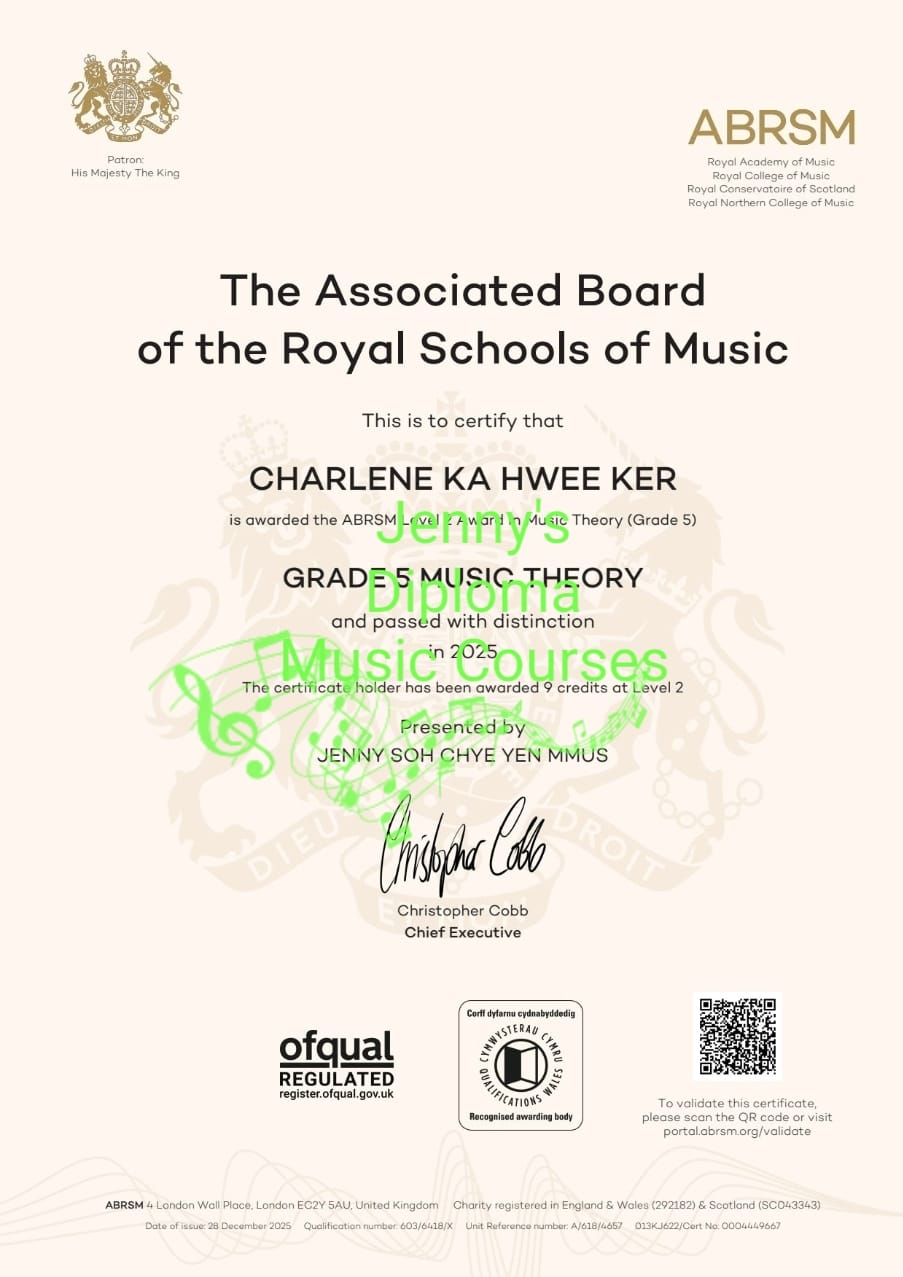
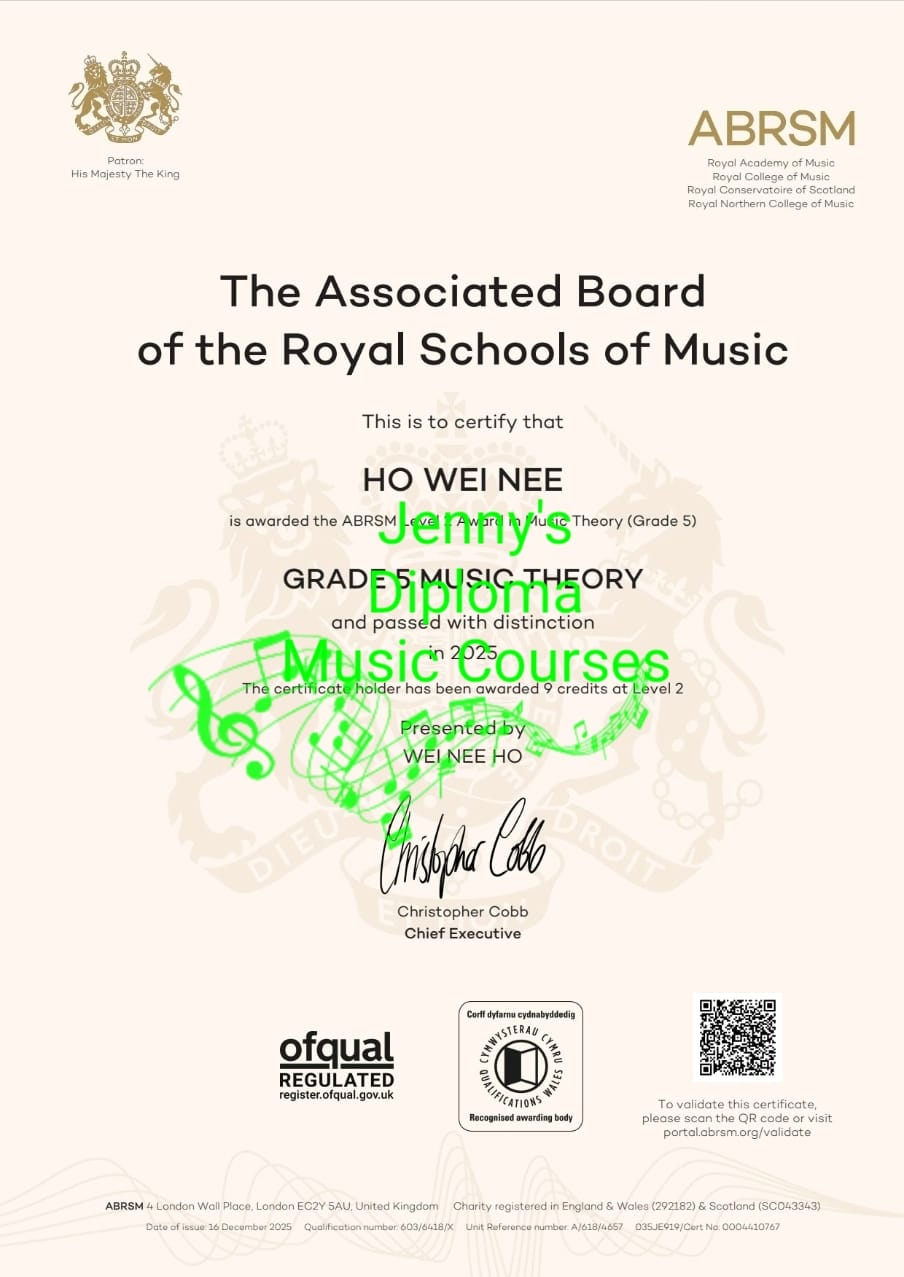
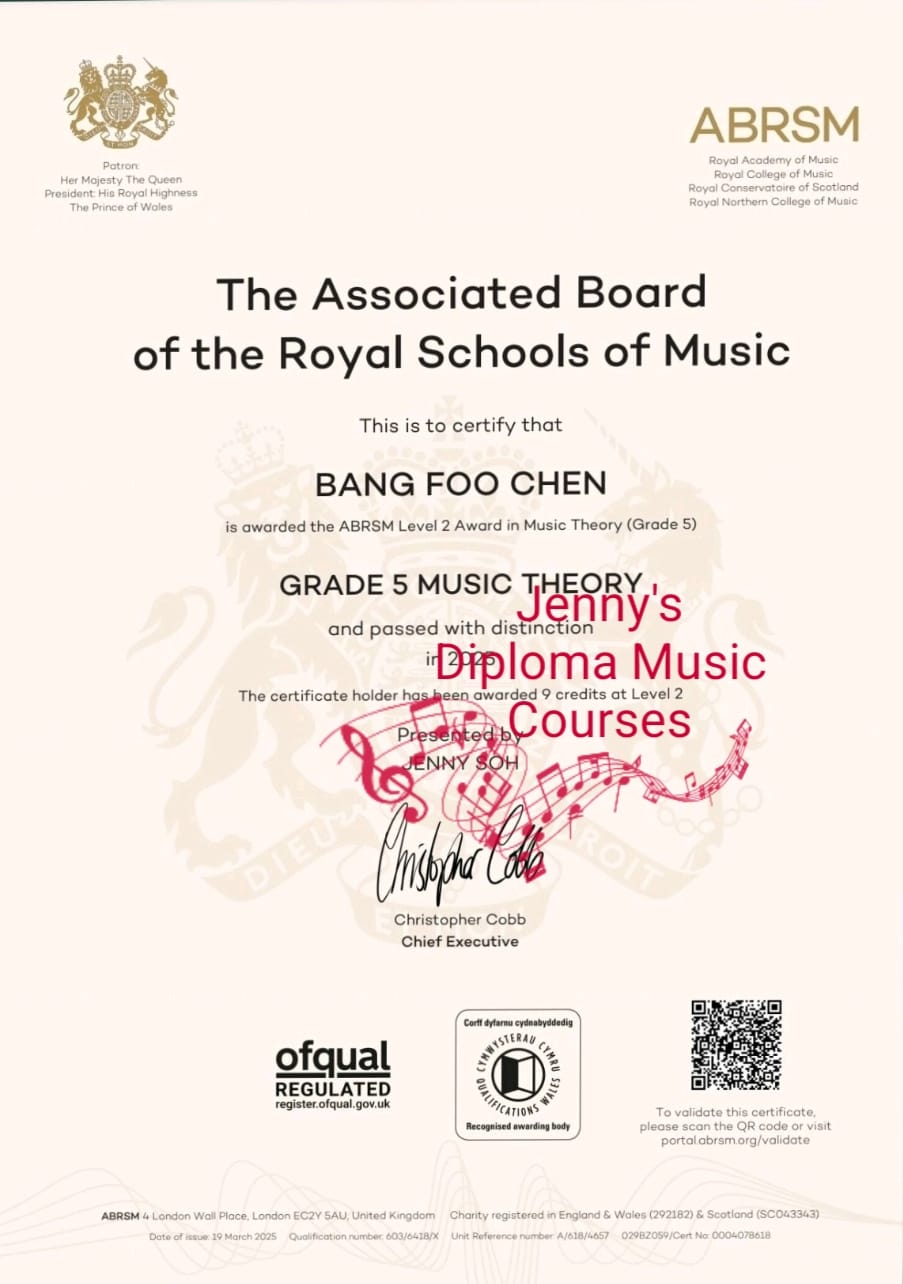
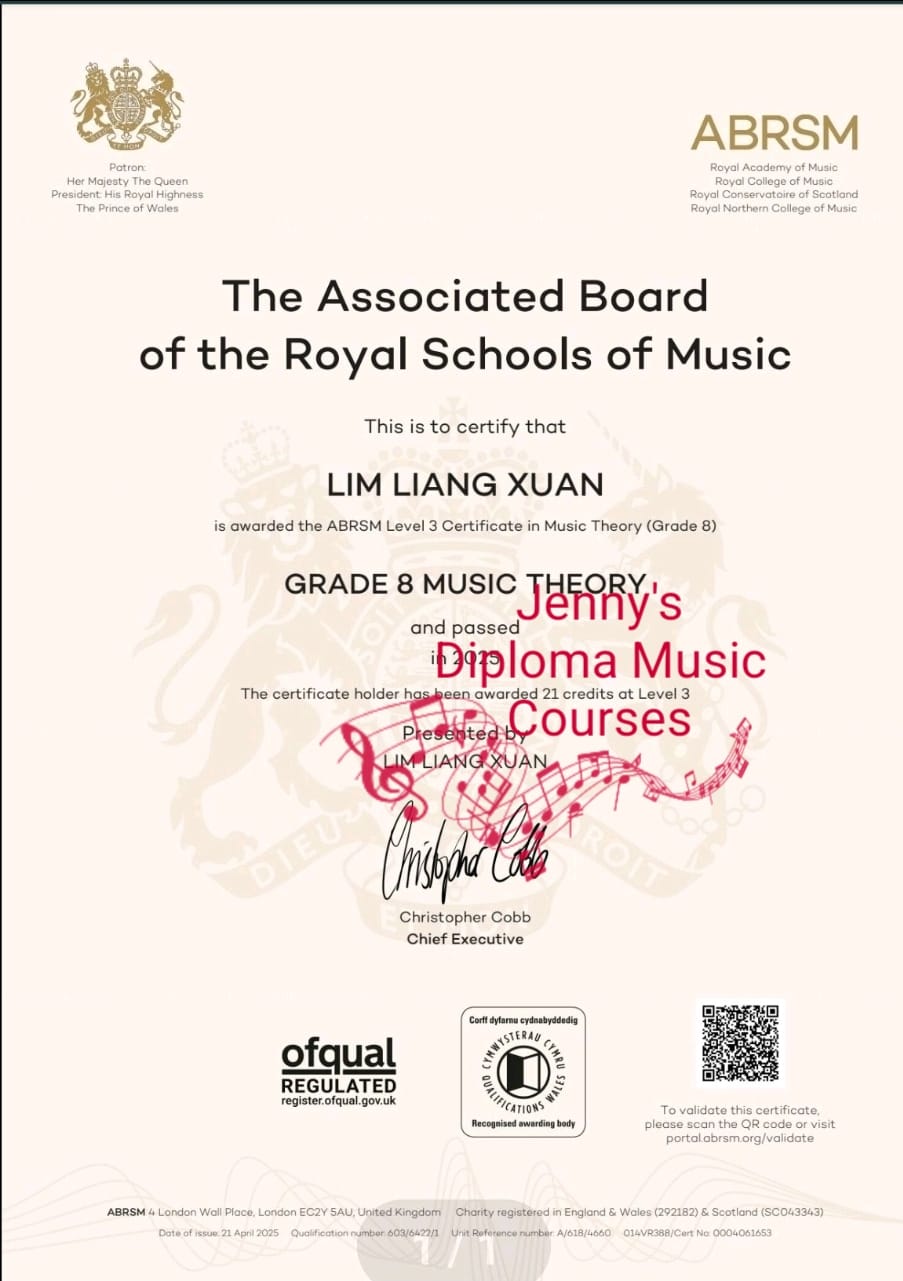
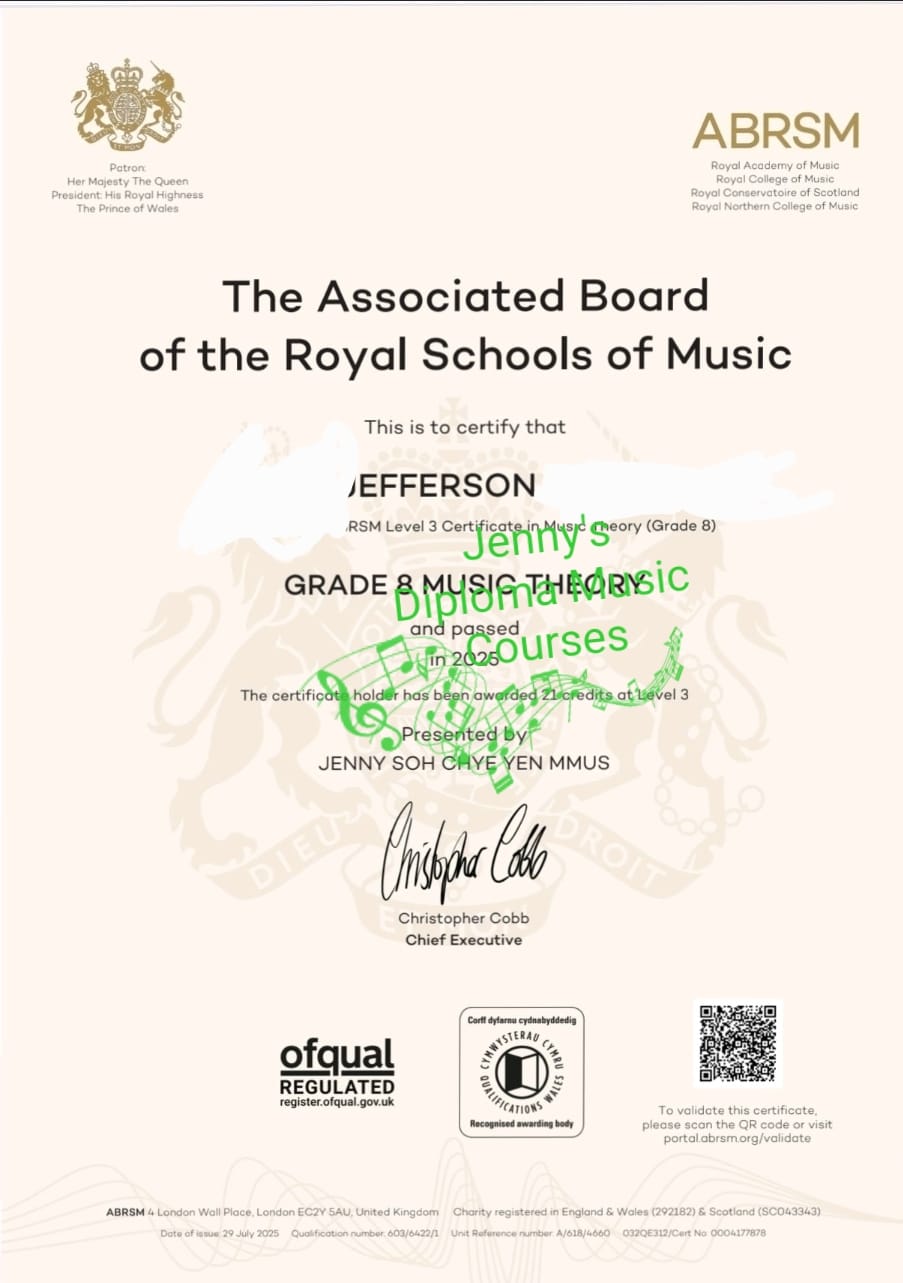
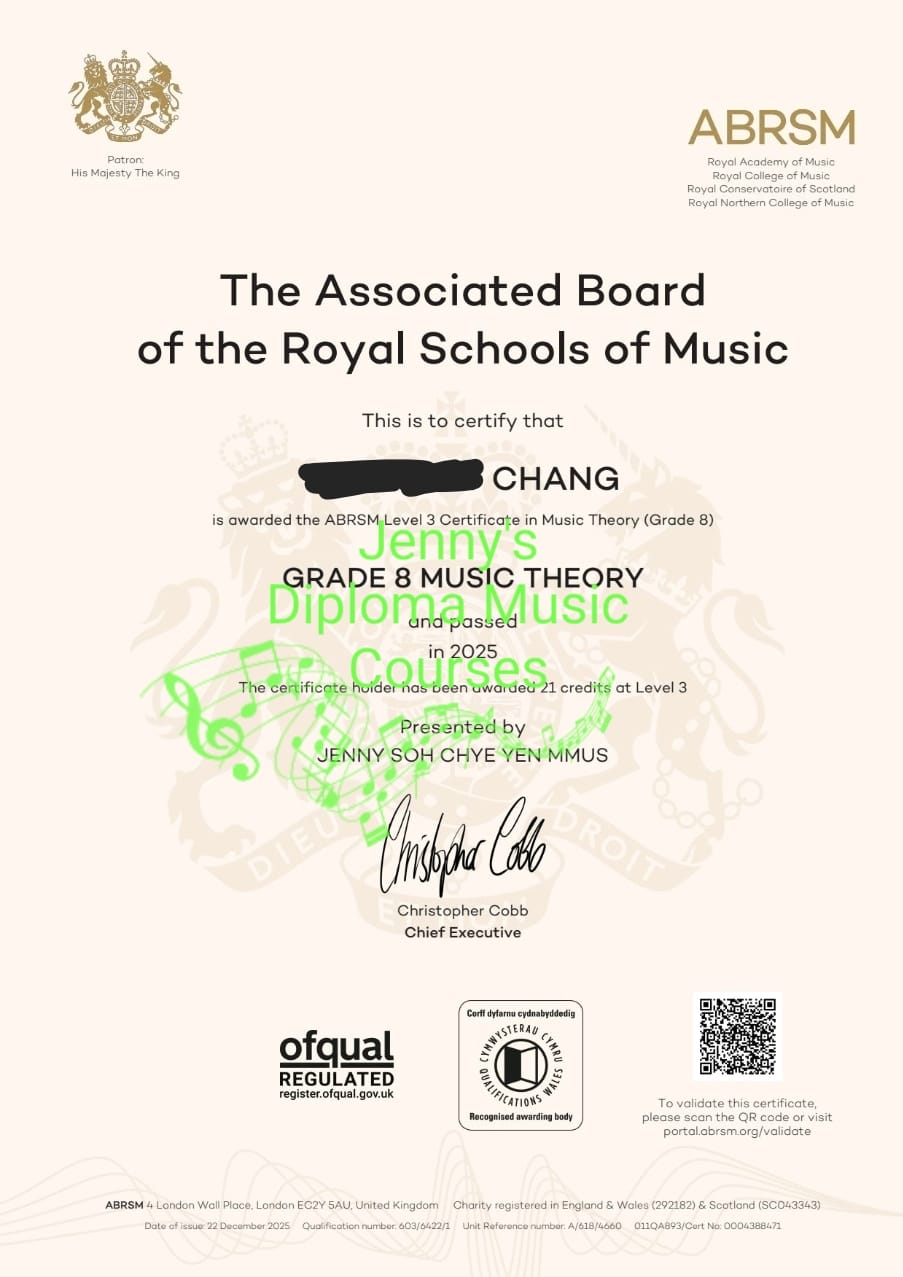
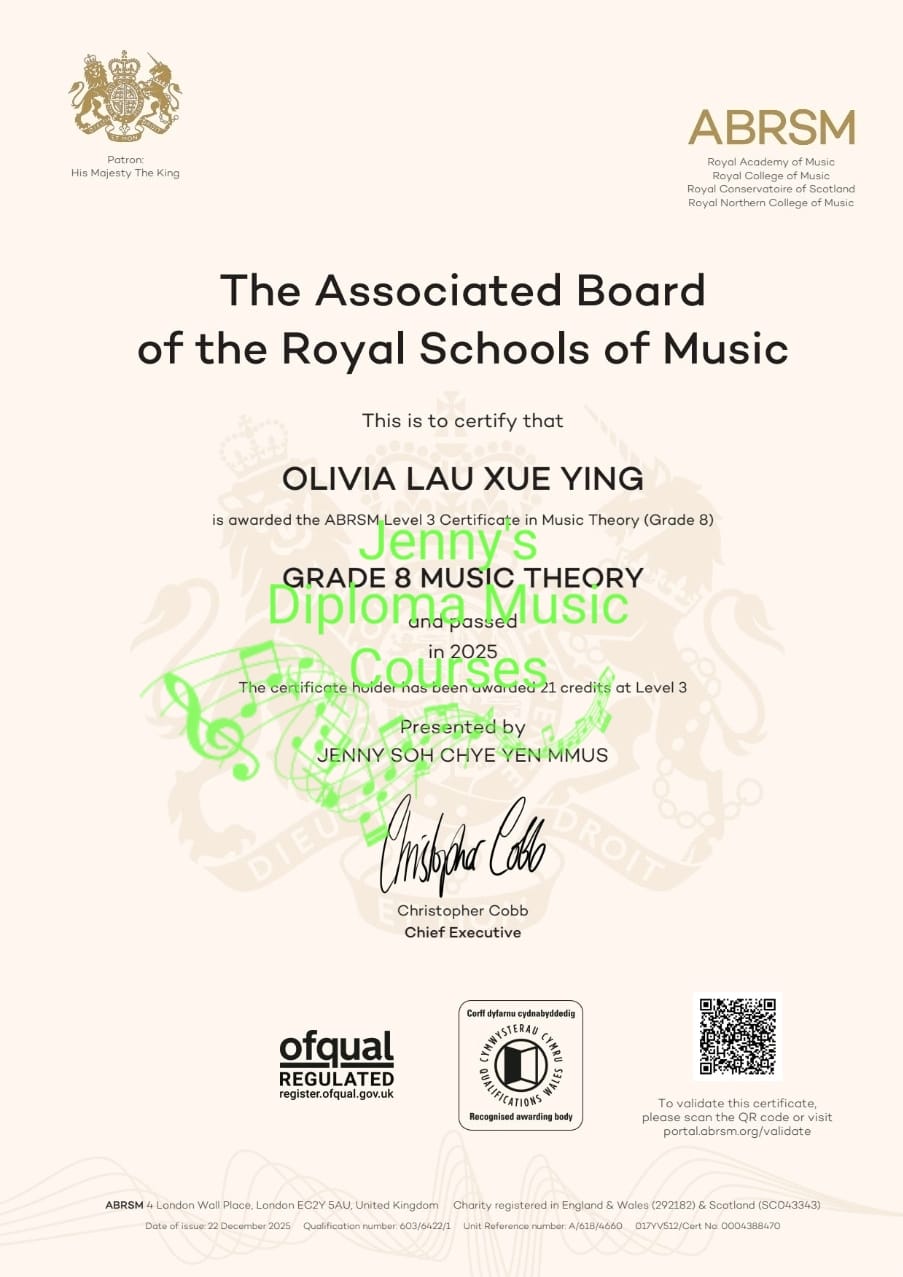
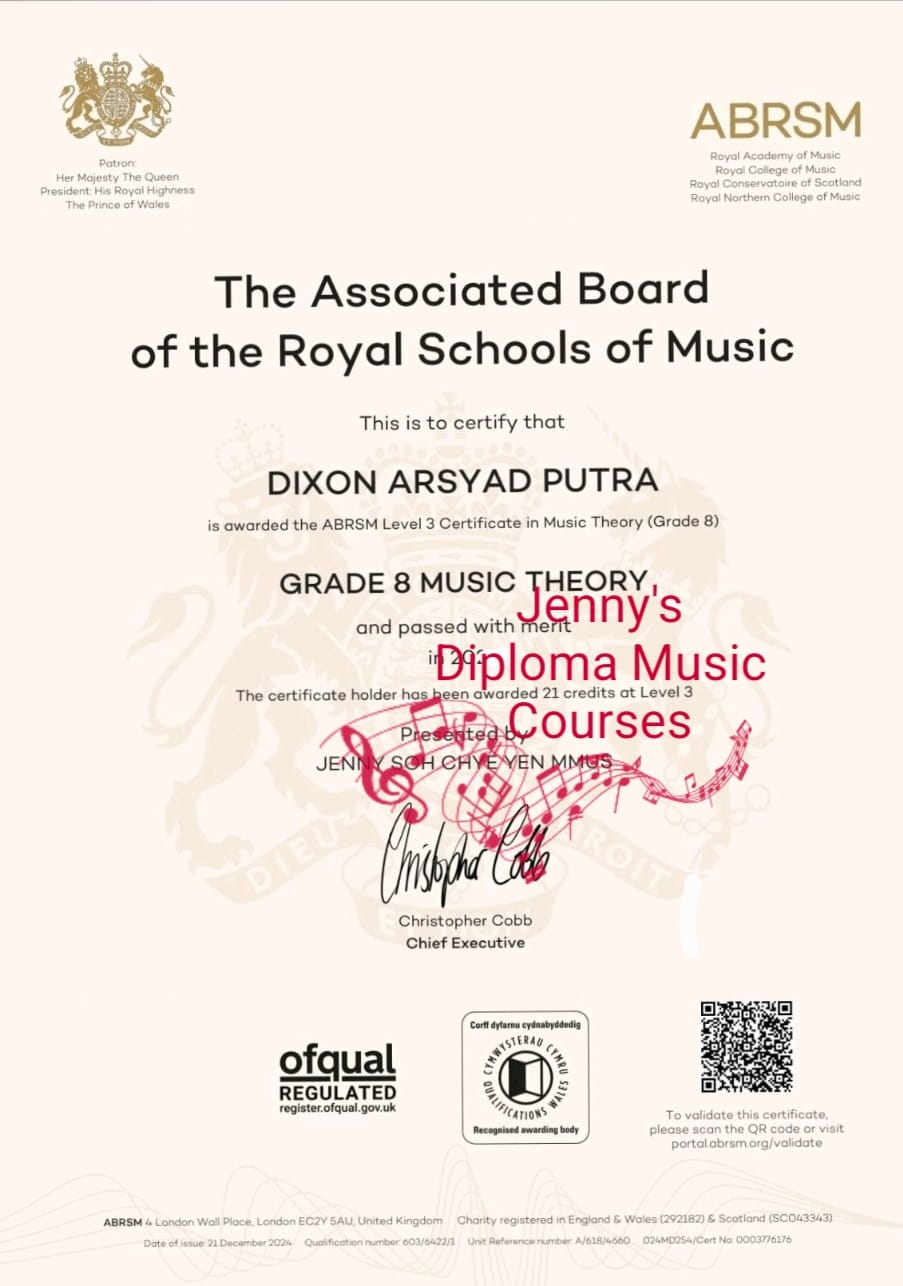
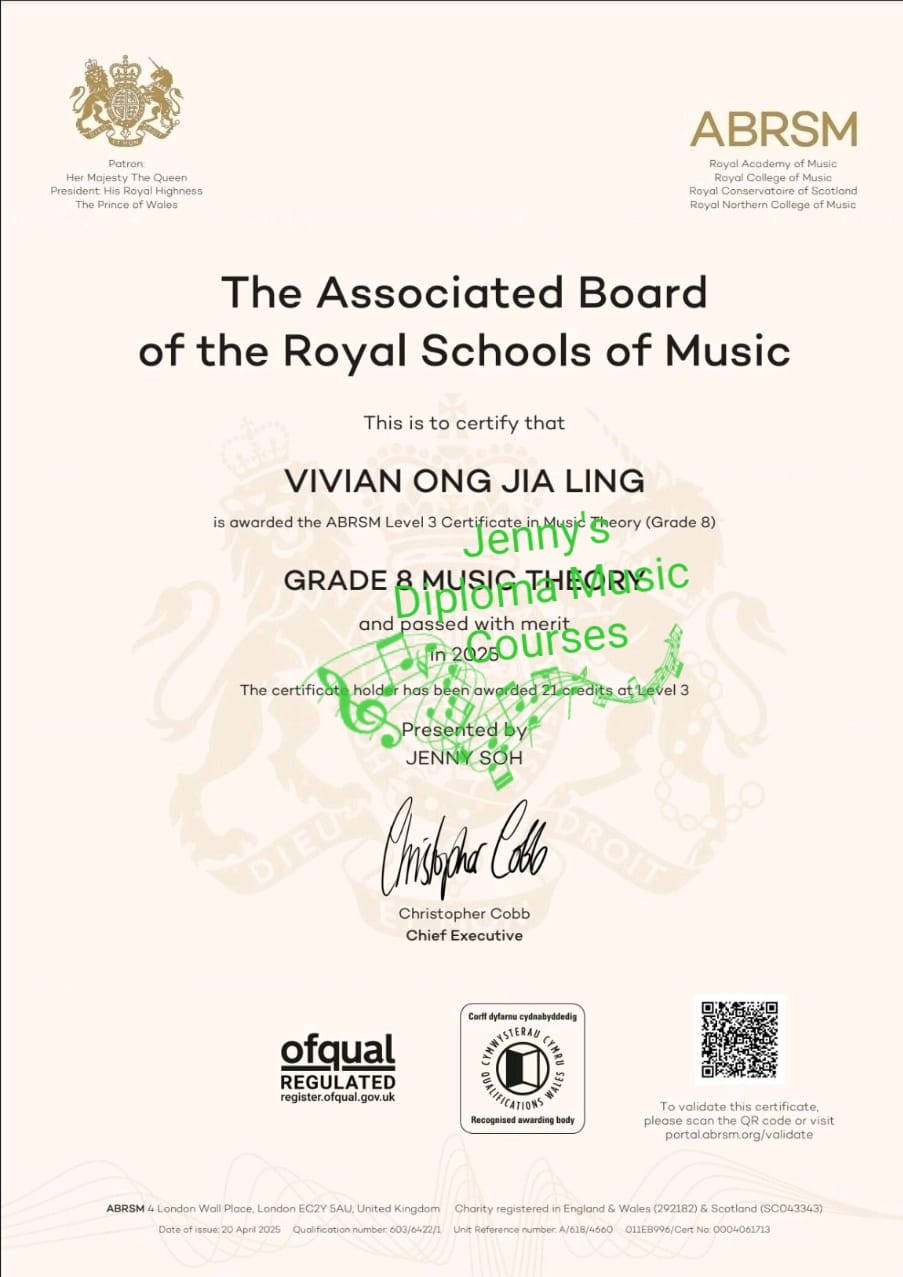
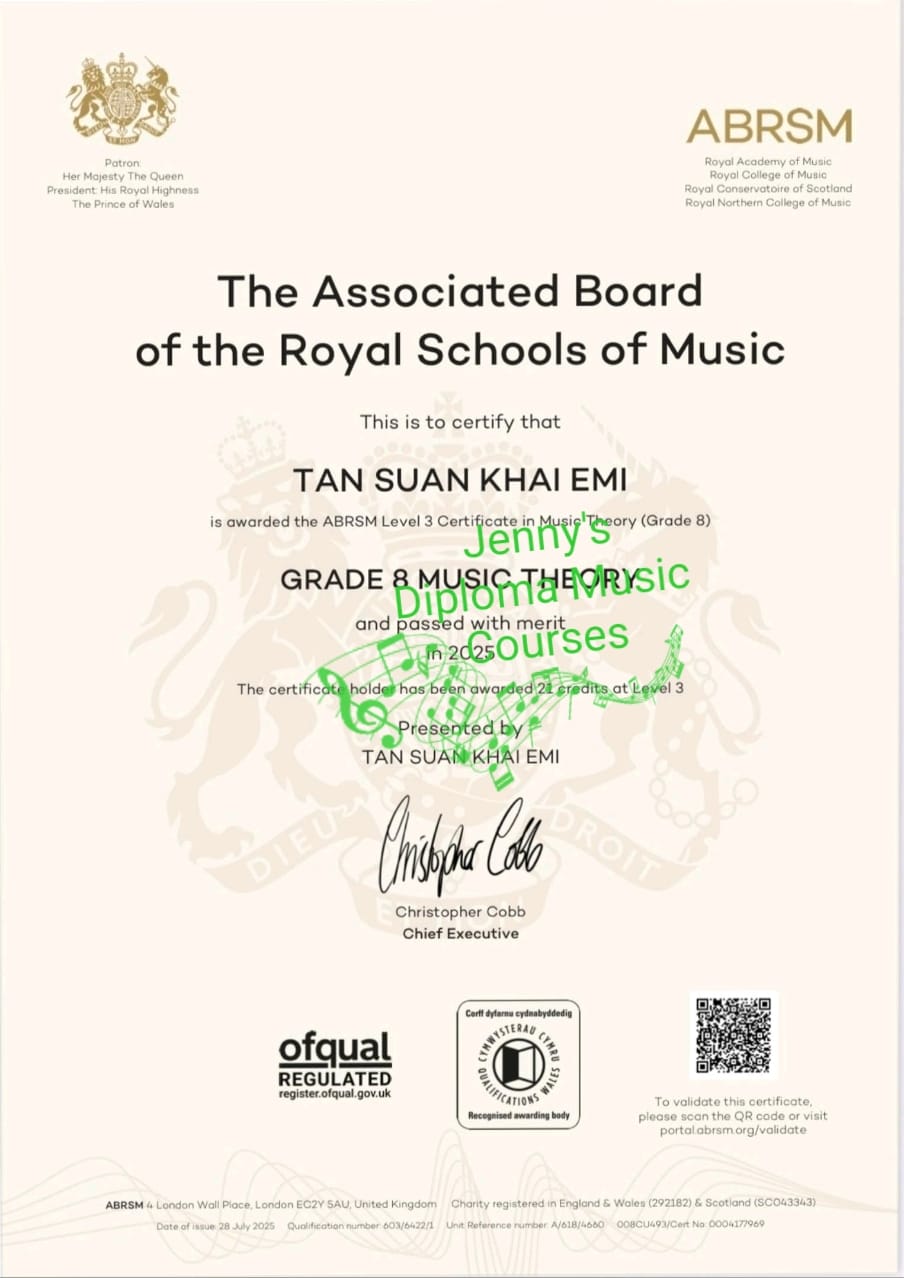
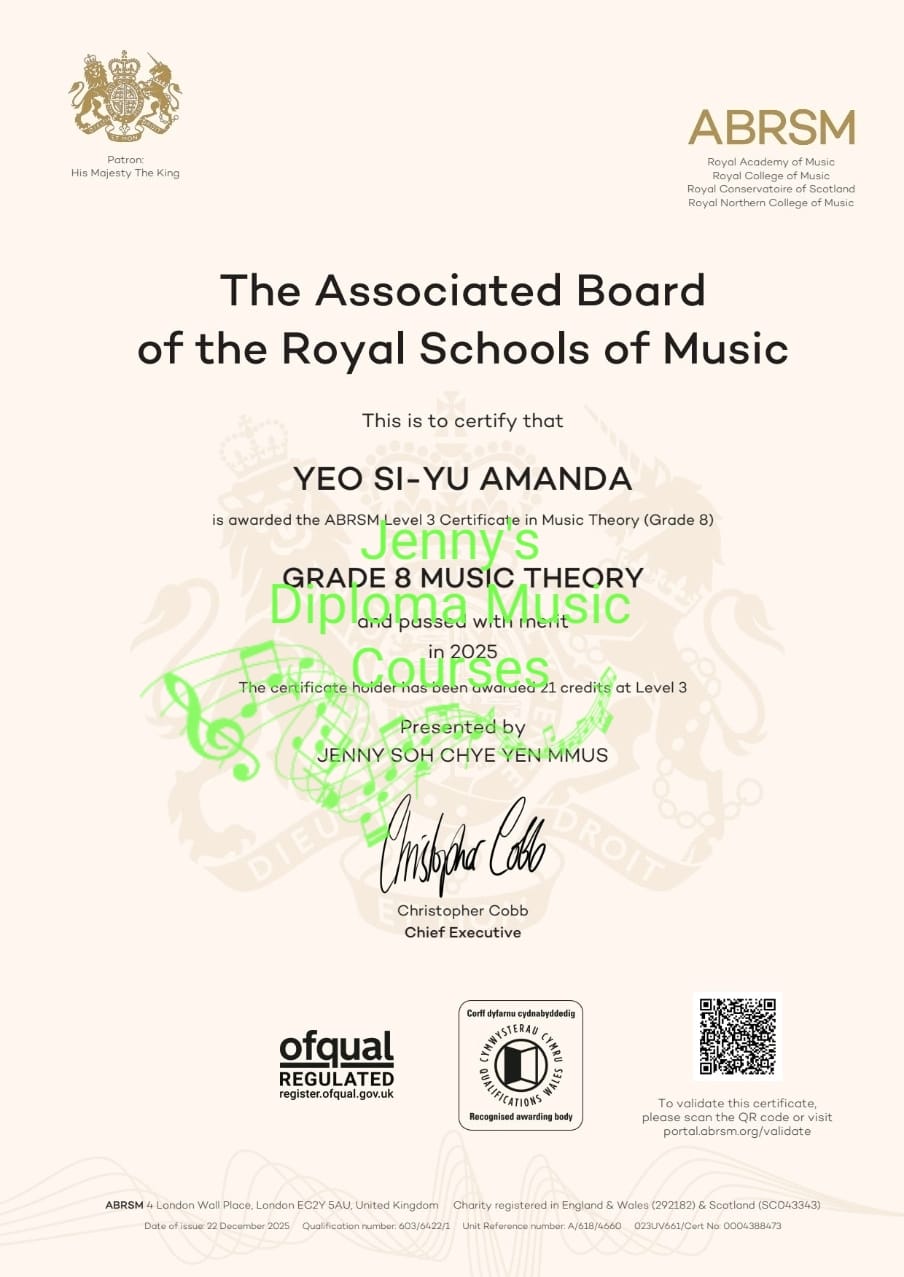
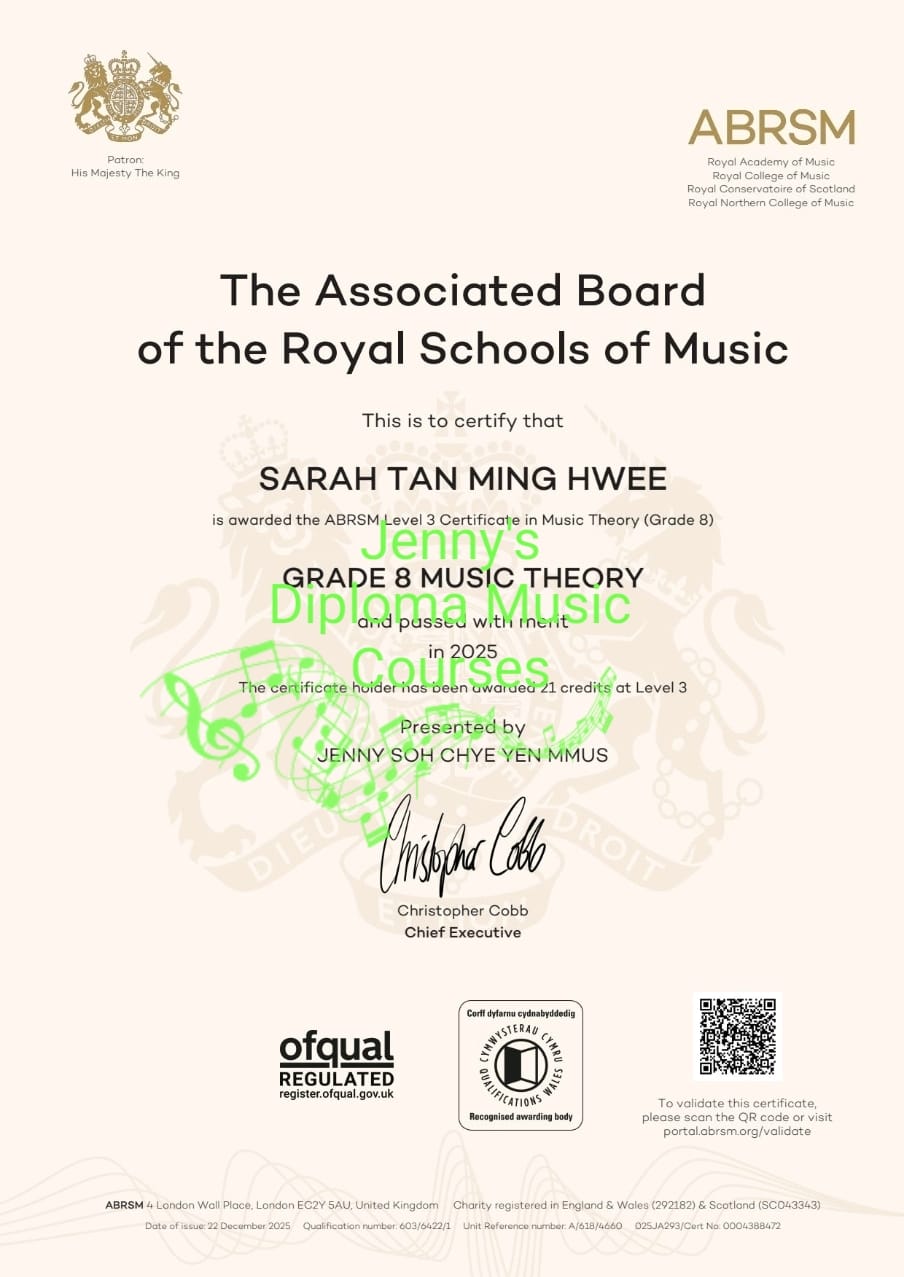
Parents who are searching for music theory lessons often want to know whether music theory offers benefits beyond examination results alone. Over many years of teaching music theory, an interesting pattern has emerged among students from different academic backgrounds. This observation became even more meaningful when one of my students, who is also a psychologist with advanced professional training in psychometric assessment, enrolled in lessons with a research interest in mind. She wanted to explore whether performance in music theory examinations may, in some cases, reflect certain cognitive strengths, particularly in areas such as logic, analysis, concentration, and mathematical thinking.
Through long-term observation of students and music theory examination results collected over the past twenty years, we noticed a clear and consistent trend. Many students who performed strongly in school academics also achieved very high marks in music theory examinations. This was especially common among students who excelled in science and mathematics and those from academically demanding school environments. Although music theory should not be regarded as a formal IQ test, these observations suggest that there may be meaningful overlap between the thinking skills needed for academic success and those developed through music theory lessons Singapore.
One reason for this connection is that music theory is far more than simple note reading. In structured music theory lessons, students are trained to think logically, analyse patterns, recognise relationships between musical ideas, and remain mentally focused for extended periods of time. During a music theory examination, students may be required to identify keys, analyse harmonies and chords, understand musical texture, follow melodic movement, and interpret structure, sometimes all within the same section of work. This kind of task requires precision, organisation, and sustained concentration.
From a cognitive perspective, music theory engages multiple forms of reasoning at once. Students are often expected to process information in sequence, compare details carefully, and understand how one musical element connects with another. This is one of the reasons why music theory can be intellectually stimulating for students. Music theory encourages structured thinking, close attention to detail, and the ability to remain focused while solving layered written questions.
The relationship between music theory and mathematics can also be seen in specific areas of learning. For example, some students who find fractions more difficult in mathematics may also need more support with rhythmic subdivision in music theory. This is only one example, but rhythm counting often involves understanding note values such as halves, quarters, and eighths, and working out how those note values fit correctly into time signatures. In this way, rhythm training can draw on similar numerical understanding and analytical thinking used in mathematics. This is one of the practical ways in which music theory lessons Singapore may support broader learning skills.
Based on long-term teaching experience, there appears to be a strong connection between high achievement in advanced music theory and strong academic performance in school. A large proportion of students who achieved excellent results in higher-grade music theory were also doing very well in their academic studies. While this should not be treated as an absolute rule for every child, it does suggest that strong performance in music theory may reflect certain aspects of analytical ability, concentration, and disciplined thinking.
At the same time, it is important to view this topic with balance and encouragement. Students who are weaker in music theory or school academics should never be seen as lacking ability or future potential. Not every child is meant to excel in the same area, and exam performance is only one measure of development. Some children who may not be naturally strong in written theory or academic subjects may have exceptional strengths in performance, sports, creativity, communication, leadership, or practical skills.
For this reason, parents should not feel that every child must be pushed to achieve in exactly the same way. Every child has different natural strengths, and discovering those strengths often requires time, patience, and exploration. A good way to identify talent is to observe which activities a child can do with greater ease, confidence, and enjoyment. For instance, if a child shows strong natural ability in an activity such as badminton and progresses well without excessive strain, that may be an area in which the child can develop more fully. Success often comes when children are guided towards the areas where their abilities can grow most naturally.
At Teacher Jenny’s studio, music theory lessons Singapore are designed not only for exam preparation, but also to support students according to their individual learning needs. Students who are weaker in music theory can benefit from a simplified and highly structured teaching approach that makes complex concepts easier to understand. Teacher Jenny is experienced in helping students develop musical understanding through shortcut methods, fixed templates, and carefully organised learning strategies. These include practical methods for working out key signatures, guided ways of writing songs, and structured support in piano composition.
With the right guidance, students who initially find music theory difficult can still make excellent progress. A clear and systematic teaching method can help them build confidence, strengthen understanding, and improve step by step. This is why many families who are looking for music theory lessons Singapore value a teaching approach that is both professional and supportive.
For parents and students seeking music theory lessons Singapore, Teacher Jenny offers a structured and encouraging learning environment for both stronger and weaker learners. To enquire about a trial lesson, please WhatsApp 98256286.