With the rise of online learning, music theory lessons via Zoom have become one of the most effective and flexible ways for students in Singapore to prepare for their exams. From Grades 1 to 8, and even Diploma Music Theory, more students are now achieving distinctions without physically attending lessons — as long as they learn the right way.
After teaching hundreds of successful candidates through online music theory lessons in Singapore, I have identified three crucial habits that separate average students from top scorers. If you or your child is currently taking music theory lessons online, these three tips are absolute game-changers.
? 1. Make Full Use of the Zoom Annotation Button – Your #1 Secret Weapon
This is the MOST IMPORTANT rule of online music theory learning.
Many students join Zoom music theory lessons but remain passive — they watch, they listen, but they don’t participate actively. That is a big mistake. Zoom offers a powerful tool called the Annotation Button, and it is the key to making your online lesson as effective as a physical classroom — or even better.
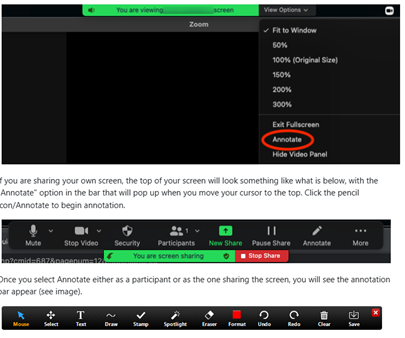
? How We Use Annotation in My Music Theory Lessons:
During every online lesson:
- I mark students’ homework live on the screen
- Students are required to correct their mistakes in real time
- Students use the annotation tools to write answers, chord symbols, intervals, cadences, modulations, and compositions directly on screen
- I can immediately see:
- Who truly understands
- Who is guessing
- Who still has misconceptions
This interactive process allows me to:
? Instantly correct wrong concepts
? Track each student’s thinking process
? Train exam-level answering skills
? Build real confidence under time pressure
Think of the annotation button as your “exam training pen” — if you do not use it actively, you are only half-learning.
? Pro Tip:
If your child refuses to write on screen and only listens, exam results will reflect that passivity. In my experience, students who actively annotate score much higher than those who only observe.
? 2. Get Your Learning Materials Ready – My Proven Music Theory Guide Book Is the Backbone
Before every course begins, my students receive:
- ? A Music Theory Guide Book Authored by me
- ? Weekly worksheets
- ?? Exam-standard practice papers
These materials are NOT off-the-shelf textbooks. They are:
? Strategically designed based on real examiner marking criteria
? Focused on fast absorption of music theory concepts
? Packed with shortcut methods for composition & analysis
? Developed from years of real exam results and failures
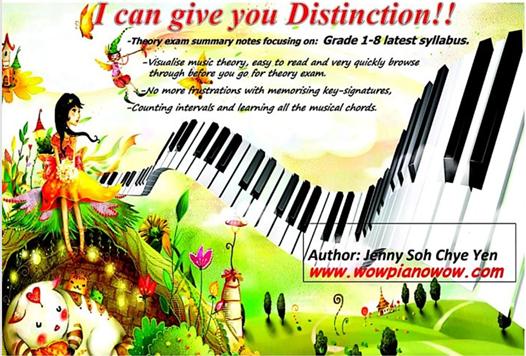
Many parents tell me:
“Teacher Jenny, we tried many assessment books before, but your guide book explains things in a way that my child suddenly understands.”
? Why Material Preparation Matters So Much:
Whether your student uses:
- Digital copies on iPad / tablet
- Or printed hard copies
They must be ready before every lesson. If a student attends class without:
- Their guide book
- Their worksheets
- Their previous corrections
Then:
? The lesson flow is disrupted
? Learning becomes disconnected
? Progress slows down
? Exam confidence drops
My guide book is the same proven method that has helped many students in Singapore score:
? Distinction for Grade 5
? Distinction for Grade 8
? Pass & Merit for Diploma Music Theory
These methods cannot be found in normal bookstores, and they are continuously refined based on real exam trends.
? 3. Regular Weekly Attendance Is the Key to Long-Term Exam Success
Many parents ask:
“Teacher, can my child skip a few lessons and still catch up later?”
My honest answer is:
Music theory cannot be learned by rushing.
It is not like memorising spelling words. Music theory is a logical chain of concepts.
? Why Regular Attendance Is Critical:
For:
- Grades 1 to 5
- Grades 6 to 8
The full course duration is approximately one year, and every topic is connected:
Intervals ? Scales ? Keys ? Chords ? Cadences ? Harmony ? Modulation ? Composition ? Analysis
If a student:
? Misses one week
? Misses two weeks
? Keeps postponing lessons
Then the chain breaks, and confusion accumulates.
? Weekly Online Attendance Gives Students:
- Consistent exposure to new concepts
- Regular reinforcement through classwork
- Continuous homework supervision
- Strong exam discipline
- No last-minute panic before exams
Students who attend regularly become:
? Faster in answering
? More confident in composition
? More accurate in analysis
? More stable under exam pressure
In contrast, students who skip often will struggle especially in:
- Grade 6–8 composition
- Modulation
- Trio sonata filling
- Melody writing
- Music analysis
? Why Online Music Theory Lessons in Singapore Are Now More Effective Than Physical Classes
Many parents used to believe:
“Physical class is always better than online.”
Today, after years of successful Zoom teaching, I can confidently say:
? Online lessons allow screen-based marking of real exam scripts
? Students receive instant visual correction
? Lessons are recorded for revision
? No travelling time
? No distractions from other classmates
? Maximum one-to-one focus
This is why many of my students from all over Singapore — and even overseas — are now choosing online music theory lessons with Teacher Jenny and achieving outstanding exam results.
? Final Words from Teacher Jenny
If you truly want to excel in your music theory exam through Zoom, remember these three golden rules:
1?? Always use the Zoom annotation button actively
2?? Prepare your guide book and worksheets properly
3?? Attend lessons consistently every week without skipping
Online learning is not weaker — it is only weaker if the student is passive. With the right method, online music theory lessons can be even more powerful than traditional classroom lessons.
? Looking for Music Theory Lessons in Singapore?
If you are searching for:
- Music theory lessons Singapore
- Grade 5 / Grade 8 music theory coach
- Online AMusTCL / Diploma music theory training
- Shortcut methods for music theory composition
You are most welcome to visit my website:
? www.wowpianowow.com
Or message me whatsapp 98256286 directly for trial lessons
#MusicTheoryLessons

