One question I am often asked by parents and students is whether digital piano examinations are truly fair. With more international examination boards offering digital assessment, many candidates naturally wonder whether recording a performance instead of playing live produces consistent and reliable results. It is an interesting question because, unlike subjects such as mathematics or science where answers are either right or wrong, music is both a technical discipline and an expressive art. While examination boards provide detailed marking criteria, every performance is ultimately evaluated by experienced musicians, and human judgement will always play a role in artistic assessment.
Recently, I had an interesting discussion with several piano teachers over lunch about digital piano examinations. Our conversation centred on why two performances that appear very similar in terms of technical accuracy, tempo and musical details can sometimes receive different marks. It is easy to assume that identical performances should always receive identical results, but music is rarely that straightforward. Two experienced musicians may appreciate different aspects of the same performance while still applying the official assessment criteria. One examiner may be particularly impressed by tonal colour and phrasing, while another may pay closer attention to articulation or structural balance. This does not necessarily mean either examiner is incorrect. It simply reflects the reality that musical performance contains an artistic dimension that cannot be measured with complete mathematical precision.
That said, consistency remains extremely important. Parents, teachers and students invest significant amounts of time, effort and money preparing for examinations, and naturally expect the assessment process to be as fair and consistent as possible. International examination boards invest considerable resources in examiner training and moderation to maintain high standards, and the vast majority of results genuinely reflect a candidate’s overall level of performance. Nevertheless, no performance-based examination can ever eliminate human judgement entirely. This is true not only for piano examinations but also for conservatory auditions, international piano competitions and professional music performances around the world.
Fortunately, digital examinations also offer several important advantages that many students appreciate. Recording in a familiar environment allows candidates to perform on an instrument they know well without the added pressure of an unfamiliar examination venue. Students are able to choose a performance that truly reflects their preparation instead of relying on a single opportunity on examination day. For many young pianists, this creates a calmer and more confident experience that allows their musical abilities to shine more naturally.
In my experience, students sometimes spend too much time worrying about what an examiner may or may not prefer. While it is understandable to think this way, it is usually far more productive to focus on the aspects of performance that are completely within our control. Secure technique, rhythmic stability, reliable memory, stylistic understanding and convincing musical expression remain the strongest foundations for success regardless of who assesses the performance. A well-prepared performance that communicates confidence and musical maturity is far more likely to achieve an excellent result than one that simply attempts to guess an individual examiner’s personal preferences.
One of the biggest mistakes students make during digital exam preparation is waiting until the final week before making complete recordings. Recording should actually become part of the learning process several weeks or even months before submission. Each recording provides valuable opportunities to discover details that are often overlooked during normal practice. Students frequently notice uneven rhythm, unclear articulation, balance issues or unnecessary tension only after watching themselves perform on video. By reviewing recordings objectively and making gradual improvements, students become increasingly confident and consistent before the final submission.
Another important aspect of preparation is learning to think beyond simply avoiding wrong notes. Technical accuracy is certainly important, but examinations also reward musical communication. A performance that tells a convincing musical story, demonstrates thoughtful phrasing and projects beautiful tone quality often creates a stronger impression than one that is technically careful but emotionally reserved. Music is ultimately a language of expression, and examiners are listening not only for precision but also for musical understanding and artistic imagination.
Parents often ask me how they can best support their children during examination preparation. My advice is always to focus on long-term musical development rather than short-term examination results. Children who develop healthy technique, excellent reading skills, secure rhythm and genuine enjoyment of music from the beginning usually progress more confidently through higher grades in the future. Examination certificates are valuable milestones, but they should never become the only measure of success. The greatest achievement is helping a child develop a lifelong appreciation for music and the confidence to share it with others.
For families searching for Kids Piano Lessons Singapore, choosing an experienced teacher who understands both musical development and examination expectations can make a significant difference. Effective piano lessons should not simply prepare students to pass an examination but should also cultivate strong technical foundations, artistic sensitivity and independent learning skills that remain valuable throughout life. When students build these qualities consistently over many years, examination success often becomes a natural outcome rather than the sole objective.
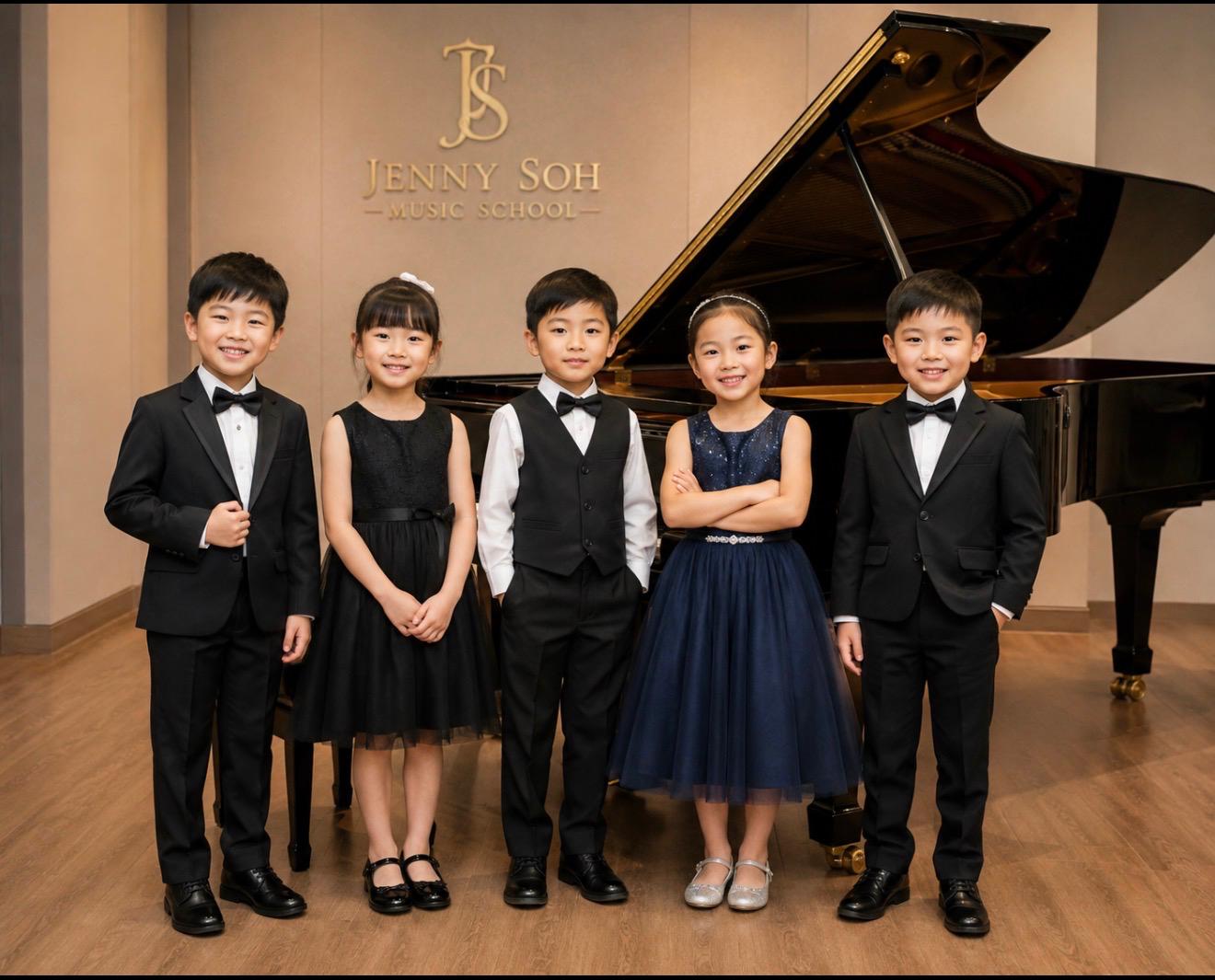
At Jenny Soh Music School, we believe that outstanding examination results begin with excellent musicianship. Every lesson is designed to help students understand the music they are playing, develop secure technique, communicate with confidence and enjoy the learning journey. Whether a child is preparing for an international piano examination or simply beginning their musical adventure, our goal is to nurture expressive, confident and well-rounded pianists who will continue to enjoy music for many years to come.